
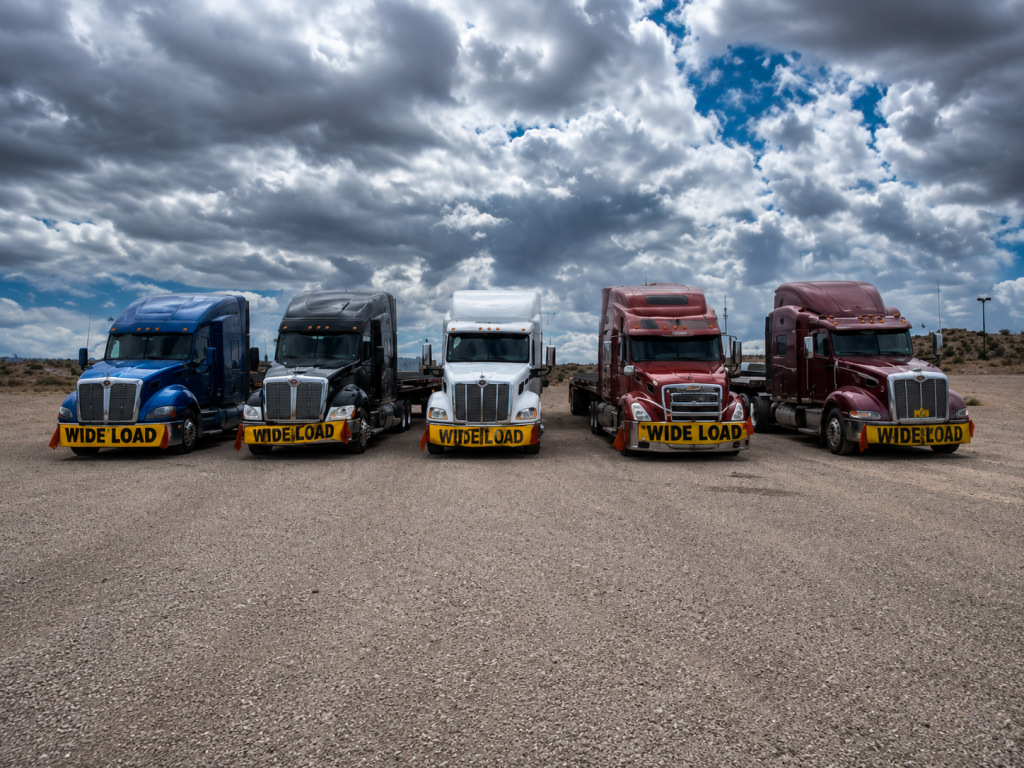
Practical Knowledge for Keeping Trailers Road Ready
A trailer can put you out of service just as quickly as the truck pulling it. Brakes, wheel ends, tires, suspension, lighting, electrical systems, coupling equipment, securement points, and structural condition all need attention before a developing problem becomes a roadside failure or inspection issue.
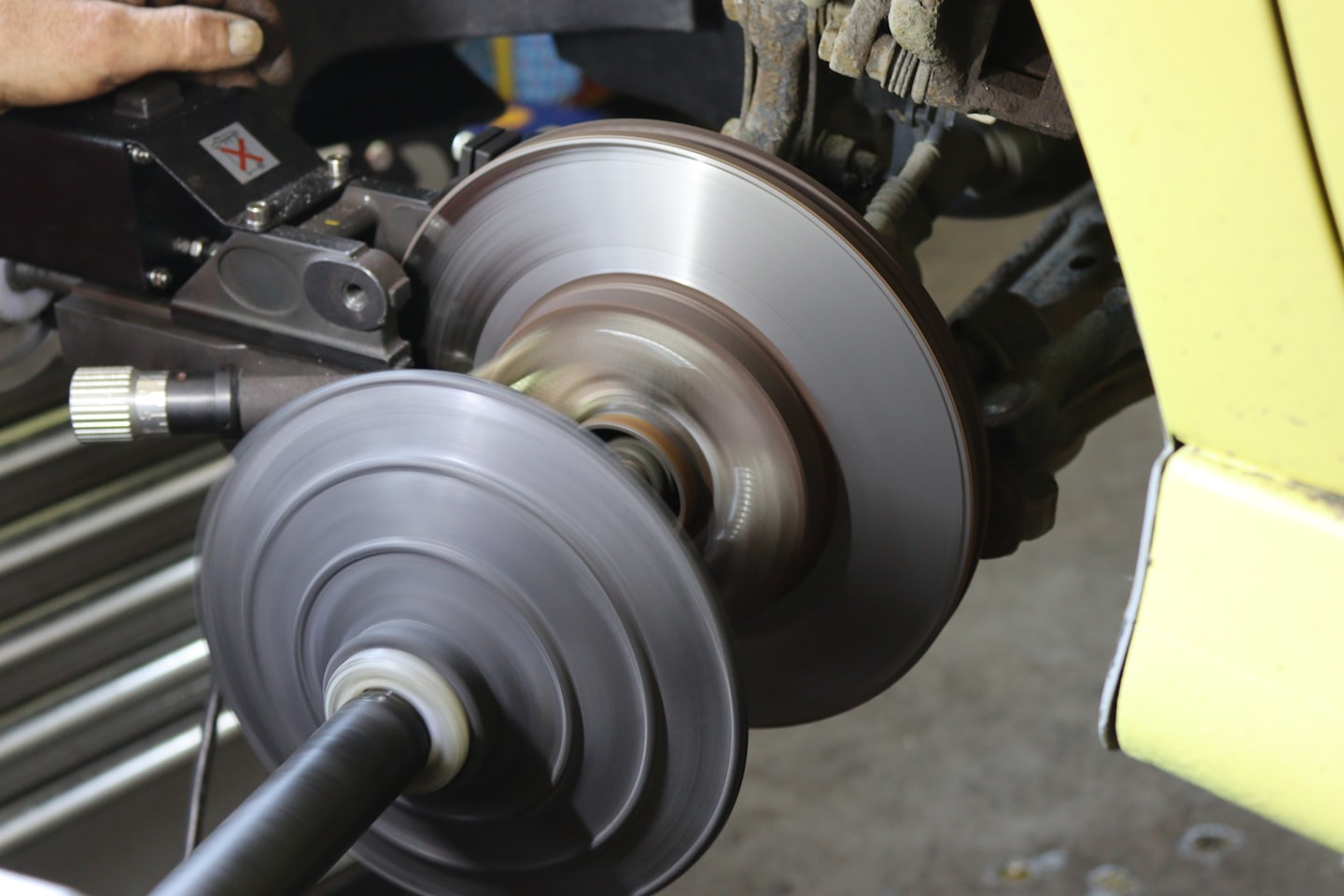

Brakes & Wheel Ends
Understand trailer brakes, bearings, hubs, seals, lubrication, heat, wear, and the developing problems that can turn into expensive roadside failures.

Tires, Wheels & Suspension
Know what to watch for with tire condition and inflation, wheels, lug hardware, axles, springs, suspension components, and other areas that affect how a trailer carries a load.

Lighting, Electrical & Breakaway Systems
Learn the common trouble areas involving trailer lights, wiring, plugs, connectors, grounds, brake wiring, batteries, and breakaway equipment.
Explore Trailer Road-Ready Resources
The right trailer is about more than what it can carry. Trailer type, dimensions, deck or floor, loading method, braking system, suspension, connections, maintenance needs, and the freight available for that equipment can all affect what work you can take and whether that trailer helps your business make money. From semi-trailers to hotshot and equipment trailers, each setup brings its own advantages, limitations, maintenance needs, and problems to watch for.
Choosing the Right Trailer for the Work
Flatbeds, step decks, dry vans, reefers, equipment trailers, goosenecks, and other trailer types are built for different work. Learn how trailer type affects the freight you can haul, how it is loaded and unloaded, the equipment you need, and the opportunities available to your business.
Dimensions, Capacity & Load Fit
Width, length, deck height, axle configuration, weight ratings, and usable loading space matter. A trailer that is too narrow, too short, too heavy, or simply wrong for the freight can limit the loads you can accept before you ever leave the yard.
Flatbeds, Open Decks & Decking
Flatbeds bring their own considerations—from deck width and deck condition to wood or aluminum surfaces, rub rails, winches, tie-down points, ramps, tarping, and the different ways freight is loaded and secured.
Dry Vans & Enclosed Trailers
Doors, floors, roofs, walls, landing gear, interior condition, loading access, dock use, cargo protection, and usable interior dimensions all affect the type of freight an enclosed trailer can handle and how reliably it can do the job.
Reefers & Temperature-Controlled Trailers
A refrigerated trailer adds another system that has to work. Trailer condition, doors and seals, floors, insulation, airflow, refrigeration equipment, temperature requirements, and loading practices can all affect the freight and the job.
Coupling & Trailer Connections
A semi-trailer and a hotshot trailer connect very differently. A semi-trailer’s kingpin couples to the tractor’s fifth wheel and uses air and electrical connections, while hotshot and equipment trailers may use gooseneck or other couplers, safety chains, electrical brake connections, and jacks. Each system has its own components that need to be understood, inspected, and maintained. On the semi side, the familiar color coding matters too: the blue line is the service line and the red line is the emergency/supply line.
Air, Electric & Trailer Brake Systems
Semi-trailer air brakes and smaller commercial trailer electric braking systems have different components and different problems to watch for. Learn about air lines, glad hands, chambers, hoses, valves, brake adjustment and wear, as well as controllers, wiring, magnets, and electric brake components where applicable.
Wheel Ends, Bearings, Hubs & Seals
Bearings, hubs, seals, lubrication, heat, wheel-end leaks, and unusual wear can turn into major failures if they are missed. Learn what to look for on both heavy commercial trailers and smaller hotshot or equipment trailers.
Tires, Wheels, Axles & Suspension
Tire condition and inflation, wheels, lug hardware, axles, springs, equalizers, bushings, shocks, and air suspension where equipped all affect how the trailer carries the load and survives the miles.
Lighting, Electrical, ABS & Breakaway Systems
Trailer lights, plugs, wiring, grounds, connectors, ABS components, brake wiring, batteries, and breakaway systems create very different troubleshooting problems depending on the trailer.
Frame, Floor, Deck & Structural Condition
Frames, crossmembers, welds, decking, floors, doors, hinges, ramps, rub rails, tie-down points, and other structural areas take repeated abuse from loads, forklifts, weather, vibration, and miles. Knowing what normal wear looks like can help identify a developing problem earlier.
Loading, Unloading & Freight Compatibility
How freight gets onto and off the trailer matters. Dock loading, forklifts, cranes, ramps, drive-on equipment, side loading, and open-deck loading all place different demands on the trailer and can determine whether a particular piece of equipment is useful for a load.
Cargo Securement & Tie-Down Equipment
Chains, straps, binders, winches, anchor points, working-load limits, freight placement, and the condition of securement equipment all matter. The trailer itself has to provide the right places and equipment to secure the freight properly.
Trailer Maintenance & Troubleshooting
Preventive maintenance, developing problems, common failures, repairs, and troubleshooting vary greatly from one kind of trailer to another. Learn what deserves regular attention and what warning signs should not be ignored.
Inspection & Roadside Readiness
A trailer can create an inspection problem or put a truck out of service even when the power unit is in excellent condition. Build habits around brakes, tires, wheel ends, lighting, suspension, coupling, securement, structure, and other trailer systems before the problem is found on the road.
FMCSA requires motor carriers to systematically inspect, repair, and maintain vehicles under their control and keep parts and accessories in safe operating condition, which reinforces why the trailer deserves the same attention as the truck.
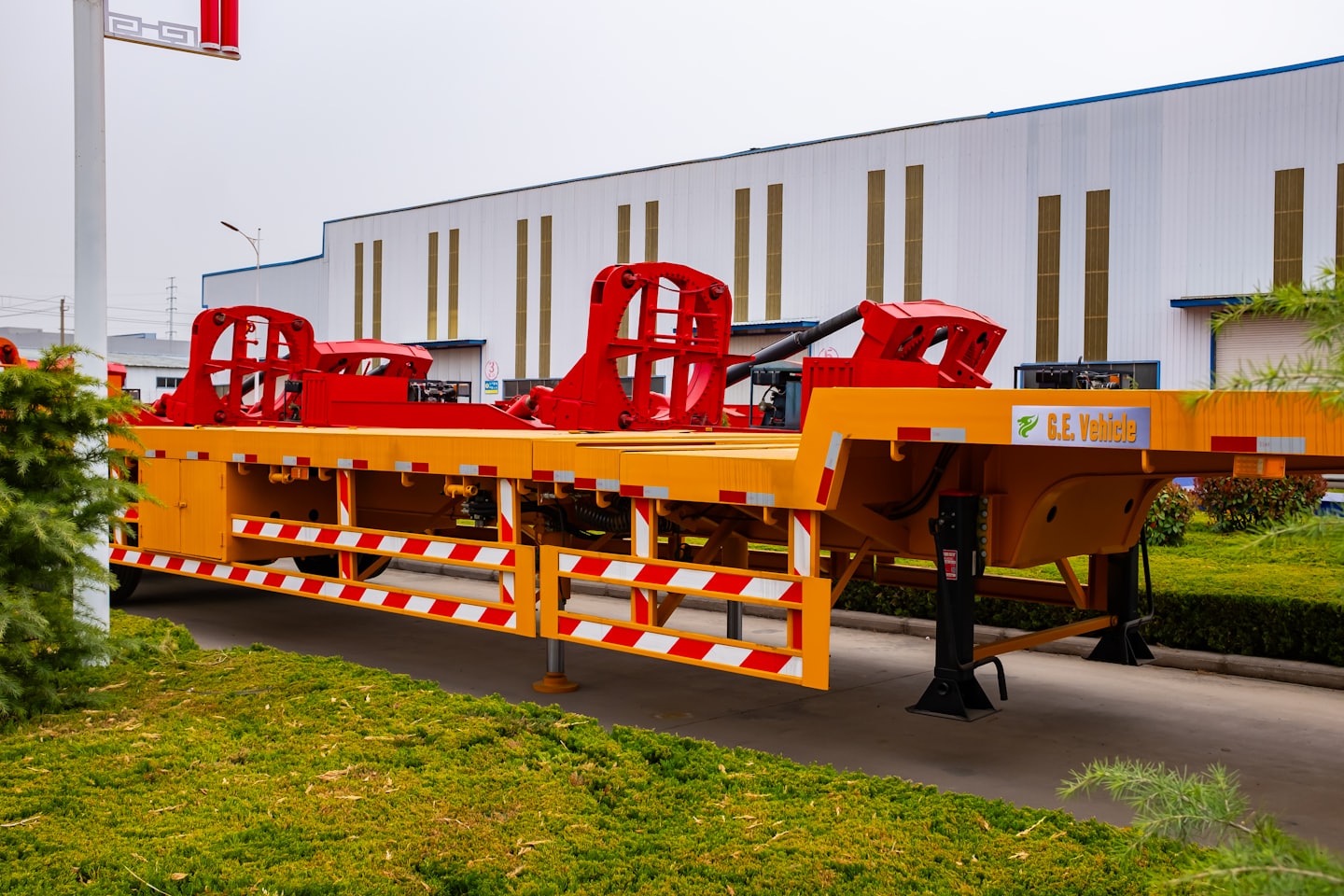
Our Experience
We know that the trailer is not just something you hook behind a truck—it can determine what freight you can haul, how that freight is loaded, what loads you can accept, and what problems can put the entire job on hold. Semi-trailers and hotshot trailers are very different equipment, and each brings its own braking systems, connections, dimensions, suspension, wheel ends, electrical systems, maintenance needs, and limitations. Even something as simple as buying a narrower flatbed can affect the freight that fits your deck and the work available to you. From choosing equipment and inspecting it before a run to recognizing a leaking seal, brake problem, damaged deck, bad tire, air leak, electrical problem, or structural issue, Richard understands how trailer decisions affect both the road and the business. Here, he will share practical lessons learned from more than a million miles of commercial driving, operating his own hotshot business, and years of working with commercial trucks, trailers, freight, maintenance, and the problems that have to be solved to keep a load moving.