
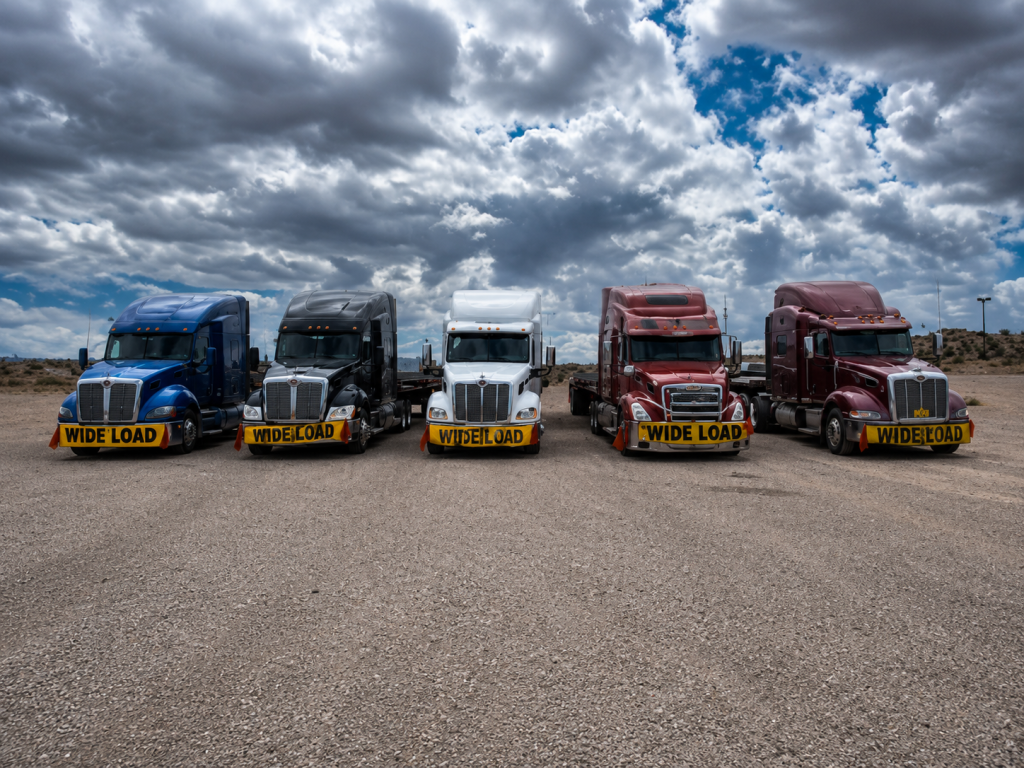
“The truck that earns your money is also the piece of equipment most capable of consuming it.”
Commercial trucks accumulate miles fast. Parts wear out, systems fail, problems develop, and downtime can cost twice—once for the repair and again for the loads you aren’t hauling while the truck is down.
That doesn’t mean trucking can’t be profitable. It means profitability takes more than driving. You have to understand the equipment, maintain it, recognize problems early, know what you can reasonably repair yourself, know when to stop, and make informed decisions about where your money goes.
That is what Mile-Proven knowledge is meant to help with.
Practical trucking knowledge built from real miles and real experience—covering tractors, trailers, maintenance, troubleshooting, inspections, roadside problems, loads, equipment, and the business decisions that help keep the wheels turning.
Whether you’re getting into your first truck, trying to understand the one you already own, dealing with a problem on the road, or working to keep a trucking business profitable, start with the area you need.
THE TRACTOR CENTER
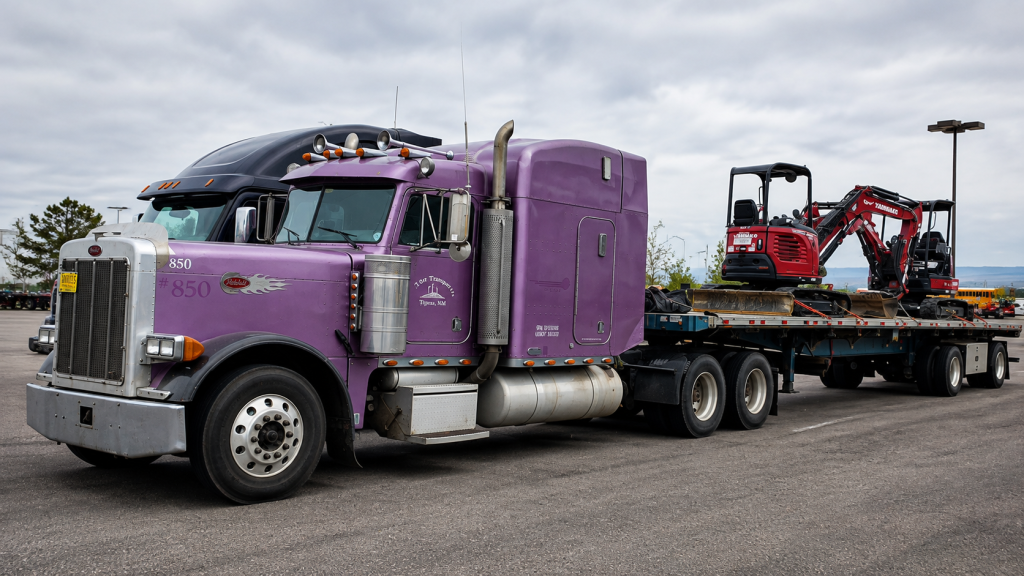
Practical knowledge for the truck tractor itself—from engines, cooling, turbos and aftertreatment to air systems, brakes, electrical, fault codes, maintenance, troubleshooting and repairs, with the information and decisions that help keep the truck earning.

THE HOTSHOT CENTER
Apply a professional trucking mindset to hotshot hauling—from the pickup and trailer setup to maintenance, securement, inspection readiness, and roadside preparation.
THE TRAILER CENTER
Brakes, bearings, seals, hubs, suspension, lighting, electrical, coupling, breakaway systems, and preventive maintenance for commercial trailers.
Build a Ready-for-the-Road Routine
A good routine is part of keeping commercial equipment ready for the road. It starts when you begin your day and continues until the truck is shut down for the night—knowing what to inspect, maintaining equipment before smaller problems grow, and preparing for what the road can throw at you.
Three principles help build that routine:
Inspect
Learn what to look for before a truck or trailer hits the road—from tires and wheel ends to brakes, lighting, suspension, air systems, and securement equipment.
Maintain
Understand common wear points, preventive maintenance, developing problems, and the repairs that help keep equipment working instead of sitting roadside.
Prepare
Be ready for inspections, roadside problems, changing loads, weather, and the unexpected with the right equipment, tools, knowledge, and habits.
Lessons That Keep Trucks—and Businesses—Moving
Being ready for the road is about more than passing an inspection or preventing a breakdown. When commercial equipment goes down, the cost can spread through the entire business and sometimes the decisions can have major consequences. There may be a tow or recovery bill, a major repair, freight still sitting on the truck or trailer, a missed delivery appointment, days of lost income, and a customer waiting for a load that is no longer moving.
Something as small as a developing wheel-seal problem can turn into a bad and expensive day if it is missed. Larger equipment failures can threaten the truck—and sometimes the business behind it. Road readiness means recognizing problems early, preparing for what you can, and understanding the consequences of the decisions you make before and while you are on the road.
Protect the Equipment
Know what normal looks like and how your truck sounds, smells, and feels when it is running as it should.
Engines, cooling systems, turbos, wheel ends, brakes, tires, air systems, and driveline components usually give you something to pay attention to before or during a developing problem. If you are going through more coolant than normal or have to top off oil more than usual, these are signs of a possible problem. Knowing how your truck is supposed to sound and operate is vital to catching a problem before you are stopped on the side of the highway with a load on your back.
Protect the Load
A breakdown does not make the freight disappear. When the truck goes down loaded, the driver may be dealing with a repair or tow while also protecting the freight, communicating with dispatch, managing a delivery appointment, or figuring out how the load is going to reach the customer.
The road ahead matters too. A load may travel through several weather systems, traffic problems, road closures and changing conditions before delivery. And if the truck or trailer ever has to be left somewhere, where you leave the freight matters.
Protecting the load means thinking beyond the road immediately in front of you.
Protect the Business
Downtime, towing, parts, shop labor, missed loads, poor repair work, and lost customer confidence can cost far more than the original part that failed. For an owner-operator or small trucking company, one major event can affect months of work.
Every repair has two costs: the repair bill and the income you lose while the truck sits. Protecting the business means planning for both. Maintenance, repair reserves, knowing what can wait and what cannot, choosing when to stop the truck, and making informed repair decisions are all part of keeping a trucking business alive—not just keeping the equipment running.
Decisions Experience Teaches You
Know When Not to Push It
Sometimes the smartest decision you can make is to stop. Weather, soft ground, bad road conditions, equipment problems, a changing sound or temperature, and the pressure to finish a load can all make it tempting to keep going when the risk is already getting too high.
Experience teaches you that getting there is not always worth what another mile could cost. Pushing the wrong mechanical problem can turn a manageable repair into a major failure. Pushing through the wrong road or ground conditions can mean damage, recovery bills, lost time, or a truck and load stuck somewhere they never should have been.
Knowing when to slow down, pull over, turn around, or shut the truck down is part of protecting the equipment, the load, and the business.
Sometimes keeping the wheels turning tomorrow means knowing when to stop them today.
Learn What You Can Fix Yourself
Repairs and maintenance can cost thousands of dollars, and an owner-operator who has to take the truck to a shop for every problem can quickly watch the truck’s earnings disappear into repair bills. If you can turn a wrench and develop some mechanical knowledge, there are many maintenance jobs and repairs you may be able to handle yourself.
The tradeoff is your time. In trucking, days off often become maintenance days—checking the truck, replacing worn parts, fixing problems, and preparing it to go back to work.
Knowing what you can safely handle yourself, what you need help diagnosing, and what truly belongs in a qualified shop can save money, reduce downtime, and help keep the wheels turning.
Sometimes keeping the wheels turning means spending your time turning wrenches.
Catch Problems Before They Get Expensive
Trucks rarely choose a convenient time to break down. Learning what normal looks, sounds, smells, and feels like—and paying attention to warning lights, fault codes, leaks, temperatures, air pressure, unusual noises, and changes in how the truck drives—can help you recognize a developing problem before it becomes a breakdown.
Sometimes catching something early means a hose, seal, sensor, fitting, or smaller repair instead of a tow, lost load, major component failure, and days or weeks without income.
Not every change means the truck needs to be shut down immediately, but changes are worth understanding instead of automatically pushing through them.
The earlier you recognize that something is different, the more options you may have for when, where, and how to deal with it.
Keeping the Wheels Turning
If the wheels aren’t turning, the truck isn’t making money.

Keeping commercial equipment ready for the road takes money, and the numbers do not always work in your favor. Diesel, tires, parts, maintenance, insurance, and shop labor keep getting more expensive, while freight rates do not always keep up. Drivers and owner-operators are constantly weighing what needs to be fixed now, what can safely wait, and what they can realistically afford while still keeping the business moving. Being able to make the best decision for your particular circumstances can be the difference between keeping your trucks rolling and making money. Sometimes the right decision is about the long haul—not just what gets the truck through today.
That is where knowing your equipment and using good judgment matter. You cannot replace every part just because it is showing some wear, but letting the wrong problem go can turn a manageable repair into a breakdown, tow, missed load, or major repair. Being road ready means learning what can wait, what cannot, and when spending the money now is what keeps you from spending a whole lot more later.
You need the truck moving to make money.
You need to spend money to keep the truck moving.
But sometimes taking the truck out of service to spend that money means you aren’t making money. These are the decisions an owner-operator faces every day.
Put Mile-Proven Knowledge to Work
Knowing what to look for is only useful if you can do something with it. Use the Mile-Proven Trucking Center to find practical guides you will actually use, tools and parts, troubleshooting information, and hands-on help for the tractor, trailer, load, or problem in front of you.
Practical resources for getting started, understanding your equipment, troubleshooting problems, keeping tractors and trailers ready for the road, handling inspections, and making better decisions when something goes wrong.
Mile-Proven Guides & Resources
Getting Started
MILE-PROVEN TRUCK SETUP FREE GUIDE
For a New or New-to-You Semi Truck
Know your truck. Build the baseline. Prepare for the road.
Getting into a truck is more than stocking the sleeper and heading for your first load. Start with what you bought, where it stands mechanically, and what needs to be in place before you put it to work.
Covers inspections, records, mechanical baseline, tools and spares, roadside preparation, sleeper setup, navigation, freight equipment, and the realities of breakdowns and downtime.
Built from real owner-operator experience—including lessons learned the expensive way.
FREE GUIDE
MILE-PROVEN TRUCK SETUP WORKBOOK
FOR A NEW OR NEW-TO-YOU SEMI TRUCK
Designed to go with the Mile-Proven Truck Setup Free Guide, this printable and fillable workbook helps you organize the information, decisions, follow-up work, and setup that come with taking responsibility for a different truck.
Build your Truck-at-a-Glance reference, track problems and follow-up items, create an action plan, organize setup and shopping needs, and work through the truck’s first 30 days. It also includes a Roadside Breakdown Call Sheet so important truck, contact, and roadside information is together when you need it.
$24.99 • Included with Exodus Trucking Community membership
In-Cab Truck Binder
Complete working record system for your tractor and trailer.
$29.95 • Printable & fillable PDF
Give the truck an office—even when the driver’s office is a sleeper cab.
A 32-page printable and fillable working system for organizing tractor and trailer information, maintenance, repairs, parts, inspections, fault codes, roadside events, tools, spares, permits and other information you need to find quickly.
$25.95 • Printable & fillable PDF
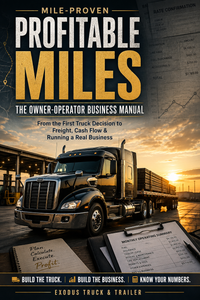
Profitable Miles
MILE-PROVEN OWNER-OPERATOR BUSINESS MANUAL
FIRST EDITION • 2026
$39.95
From the First Decision to a Profitable Trucking Business
Build the truck. Build the business. Know your numbers.
MILES ARE NOT INCOME. PROFITABLE MILES ARE INCOME.
Getting the truck is only the beginning. Profitable Miles is a 184-page practical business manual for new and future owner-operators, covering the decisions and systems behind building an operation that can actually support the truck.
From equipment, startup money, business setup and insurance to authority, compliance, freight, brokers, payment and real working financial examples, it follows the owner-operator process from the first truck decision through running freight as a real business.
Digital Manual • Real-World Financial Examples • Startup Checklist • 184 pages • Clickable & bookmarked
Know Your Tractor — A Mile-Proven Mechanical Guide
Understand the truck you depend on for your livelihood. This 109-page working mechanical guide covers the major systems of a highway tractor, what normal looks like, what changes matter, and how to gather useful evidence when something goes wrong.
Built for drivers and owner-operators who want to recognize developing problems sooner, make better repair decisions, communicate more effectively with shops, and build a truck-specific mechanical reference they can keep using.
$34.95 • 109-Page Digital PDF Guide
Equipment & Mechanical
What Can Wait—and What Can’t
Understanding wear versus problems that should not be put off.
COMING SOON
Before You Buy the Tractor
A Comprehensive Mile-Proven Pre-Purchase Inspection Guide
Buying the wrong tractor can put the entire business at risk. This guide helps you inspect more intelligently, know what records and testing to ask for, recognize warning signs, and give an independent shop a detailed inspection list before you buy.
Includes a buyer inspection checklist, shop inspection sheet, testing considerations, records and questions to request, warning signs to investigate, and space to compare multiple trucks.
$TBD • Printable & fillable PDF
Included with Exodus Trucking Community membership
COMING SOON
Used Trailer Inspection Checklist
One consideration is not just the trailer’s condition but whether it fits the work you intend to do. Deck width, length, height, axle configuration, ratings and equipment can affect the loads available to you. For example, a 96-inch-wide flatbed can limit some freight that fits a standard 102-inch-wide trailer.
$TBD • Printable & fillable PDF
COMING SOON
Coming resources can include:
- Driver & Compliance
- Driver Paperwork & Records
- Inspection Readiness Resources
- Weigh Stations & Roadside Inspections
- Loads & Securement
- Roadside & Emergency
More Mile-Proven resources are on the way.

Go Deeper With the Exodus Trucking Community
The Mile-Proven Trucking Center gives you practical information and resources you can put to work. Sometimes you need more than an article or checklist when you’re trying to understand a truck, work through a problem, or keep a business moving.
The Exodus Trucking Community goes deeper with the complete Mile-Proven resource library, technical guides, practical tools, troubleshooting and repair content, videos, Q&A, and new resources as they are added.
It’s built around lessons learned through more than 25 years behind the wheel, hands-on maintenance and repair, inspections, load securement, roadside problems, breakdowns, and the everyday work of keeping commercial equipment moving.